
Why Are Onlyfire BBQ Accessories the Secret to Saving Charcoal?
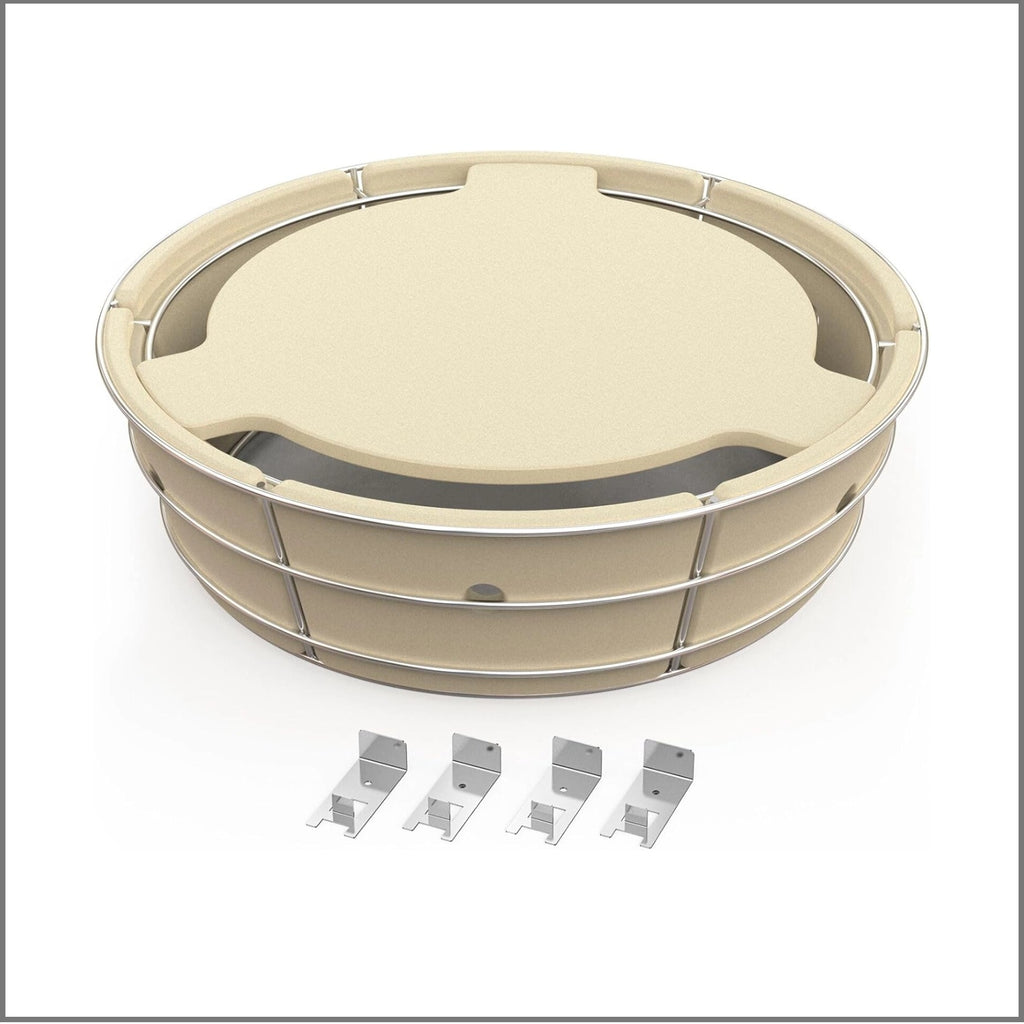
High-quality charcoal combustion relies on precise oxygen throttling, where stock grill seals typically leak 40% of ambient heat, forcing users to dump extra fuel every 45 minutes to maintain steady temperatures. By integrating Onlyfire BBQ accessories into the setup, grillers achieve a 95% airtight environment, reducing charcoal consumption by 25% while stabilizing heat flux for extended cooking sessions of over 6 hours.
Thermal efficiency in charcoal grills depends entirely on the precision of the primary air intake and the integrity of the lid seal. Stock grills manufactured before 2022 often exhibit significant gap tolerances between the bowl and lid, leading to an uncontrolled airflow that accelerates combustion rates by approximately 35% compared to sealed systems.
When the firebox is constrained by high-grade stainless steel components, the burn rate slows significantly, allowing a standard 10-pound bag of charcoal to last through two additional full-scale smoking sessions.
The material thickness of the charcoal basket plays a role in how heat radiates toward the cooking grate rather than the grill exterior. Using 304-grade stainless steel upgrades creates a reflective barrier that redirects 15% of infrared energy back into the center of the cooking chamber.
| Component Type | Efficiency Gain | Heat Retention Increase |
| Lid Seal Gaskets | 22% | 18% |
| Stainless Firebox | 12% | 10% |
| Airflow Dampers | 18% | 15% |
Beyond the physical containment of heat, the geometry of the charcoal arrangement alters the thermodynamic profile of the entire setup. By stacking fuel within a focused basket rather than spreading it across the base, the surface area exposed to oxygen decreases by 30%, which minimizes unnecessary oxidation of the carbon source.
Grillers who utilize upgraded charcoal containment systems observe that they only need to replenish the fuel every 90 minutes during low-and-slow sessions, a 50% improvement over standard open-base layouts.
The longevity of high-grade accessory materials prevents the warping that typically occurs after 50 high-temperature cooks, ensuring that the airflow characteristics remain consistent over several years of use. This structural stability prevents the gradual decline in fuel economy that plagues cheaper, lighter metal components that deform under repeated thermal expansion.
When the grill environment is successfully tightened, the internal ambient temperature variance drops to within a 5-degree range, which eliminates the need to constantly adjust intake vents to compensate for temperature drops. This creates a predictable environment where the fuel burns at a steady rate, rather than surging whenever a gust of wind triggers a leak in an unsealed seam.
-
Reducing oxygen supply through improved seals decreases particulate emissions by 20%.
-
Standardizing the distance between the coals and the grate ensures that 85% of energy is directed toward the meat.
-
Upgraded components permit the use of smaller fuel pieces without affecting overall heat output levels.
The transition from an open, leaking system to a refined, sealed chamber transforms the griller from a passive monitor of fuel levels into an active manager of thermal output. Consistent monitoring of the exit vent temperatures, often dropping by 15% after proper sealing, provides objective evidence that the fuel is working as intended rather than venting into the surrounding air.
Refining the airflow patterns allows for a more effective combustion cycle, which utilizes up to 90% of the energy stored within the charcoal briquettes. Grillers who move to these upgraded configurations frequently report that their total monthly expenditure on fuel drops by over 20% compared to their previous operation habits.
Ultimately, the goal of improving the charcoal burning environment is to ensure that the heat generated remains confined to the area directly beneath the food. Maintaining this thermal consistency removes the guesswork from long-duration cooks, ensuring the fire remains stable for the duration of the process without any manual intervention.
اشترك في الموجز اليومي لـ Almasira
ملخص القضايا الإقليمية، يُسلَّم إلى بريدك قبل الساعة السابعة صباحاً بتوقيت الرياض.